ADHD and Eating: The Patterns I See in Women (and What Actually Helps)
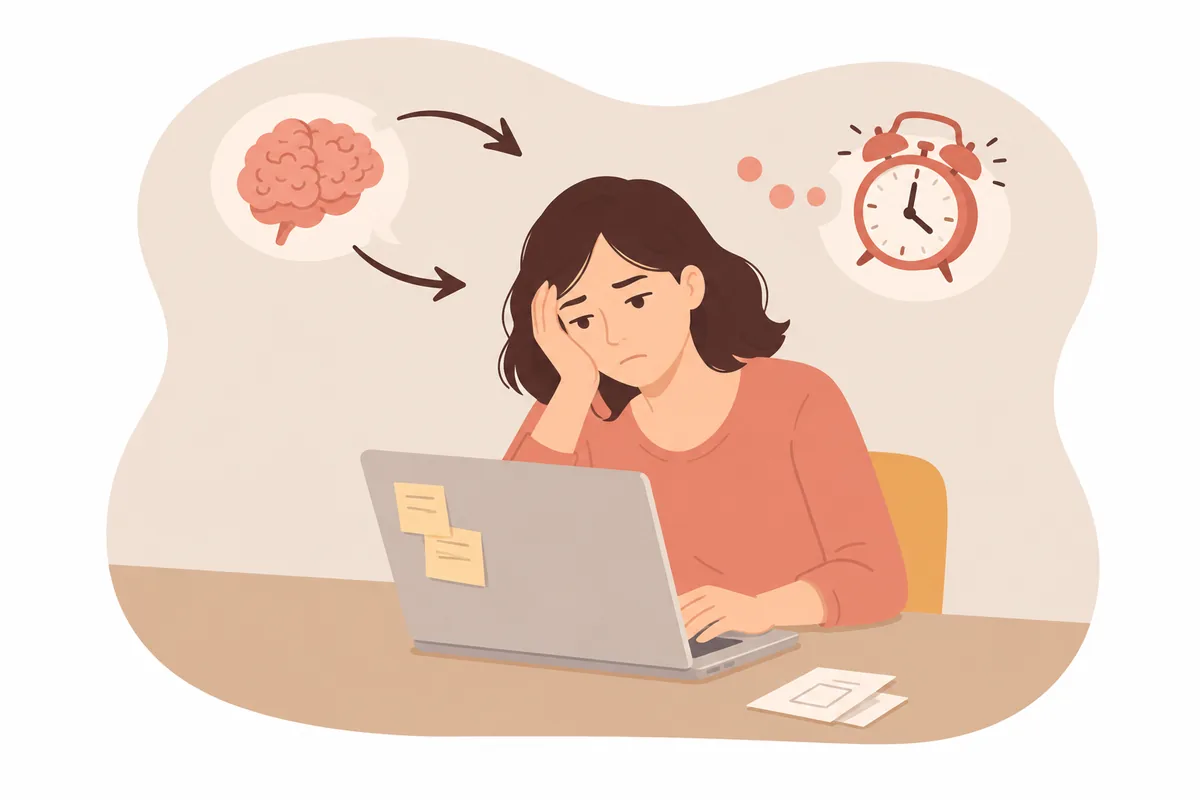
If you have ADHD and find yourself skipping meals, forgetting to eat, overeating later in the day, or feeling "out of control" around certain foods, you are not alone. These challenges are not about willpower.
As a Registered Nutritional Therapist who works with women with ADHD, I notice the same eating patterns often repeat. When we understand why these patterns happen, things usually feel less confusing and easier to manage.
Why Eating Can Feel So Hard with ADHD
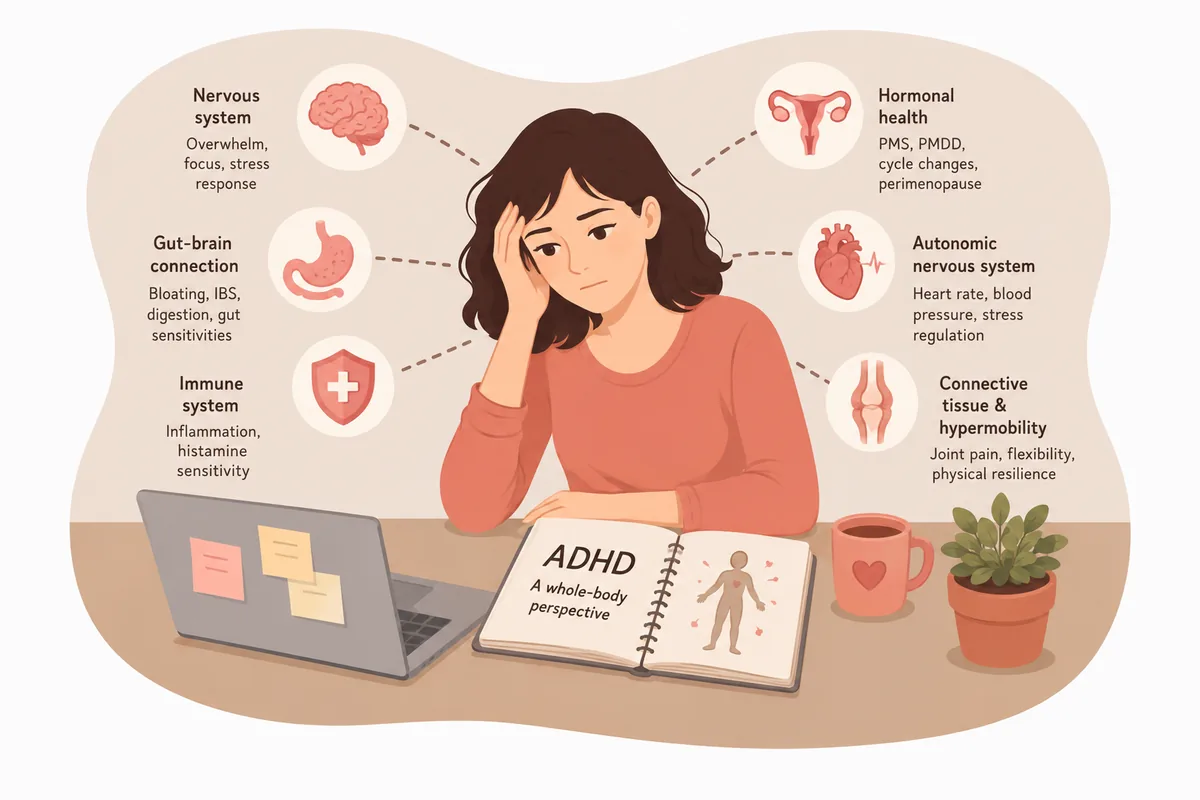
ADHD affects more than just attention. It also impacts appetite, motivation, emotions, and the ability to plan and follow through. All of these can shape how we eat.
Many women with ADHD have trouble noticing internal body signals like hunger, fullness, or thirst. This can lead to:
- Not noticing hunger until it feels urgent
- Eating past fullness
- Forgetting to eat when focused or busy
Stress, a busy schedule, fluctuation in hormones, or ADHD medication that lowers appetite earlier in the day can make these issues even stronger.
The "All Day Fine, Evening Chaos" Pattern
A common pattern I see is eating very little during the day, then having strong cravings or overeating in the evening.
This pattern is often caused by changes in blood sugar and brain chemistry, not a lack of discipline. Long gaps between meals mean the brain does not get steady fuel to support mood, focus, and self-control. By evening, your body is just trying to make up for it.
Many women with ADHD also feel shame or self-criticism about this pattern, especially if they are dieting or following strict food rules.
Sensory Needs Matter More Than We Are Told
Sensory differences are common with ADHD. Some women like strong flavours, crunchy foods, or sweet tastes, while others prefer mild and familiar textures.
Forcing yourself to eat foods you dislike just because they are labelled "healthy" often doesn't work. Paying attention to your sensory preferences usually helps you eat more regularly and feel less stressed about food. Nutrition does not have to be perfect to be helpful.
What Actually Helps (in Real Life)
Although every woman is different, a few foundations tend to make a meaningful difference:
Predictable Meals, Not Perfect Ones
Eating regular meals, especially earlier in the day, helps keep blood sugar steady and provides your body with the nutrients it needs for brain chemicals. A breakfast with protein and fibre can be very helpful, even if it is simple or the same most days.
Reducing Friction
People with ADHD often get tired of making decisions. Easy meals, convenience foods, and repeating meals are not failures. They are smart ways to make things easier.
External Cues Instead of Relying on Hunger
Since hunger signals can be hard to notice, using visual reminders, alarms, or linking meals to daily routines can help you eat more regularly.
A Non-Diet, Flexible Approach
Strict food rules often lead to more stress, avoidance, and emotional eating. A kind and flexible approach usually works better for women with ADHD.
Making Sense of It
Many women find that their eating struggles make more sense once they know about their ADHD. Seeing eating patterns this way can make them feel less personal and easier to understand.
With the right structure, flexibility, and support, eating can feel more stable, less emotional, and much less tiring — even if it is not perfect.
If you would like to talk about this, I offer a free 20-minute discovery call with no obligation.
Karine x