Burnout, Hormones and ADHD: Why Some Women Feel the Impact More Strongly

Many women come to my nutrition practice feeling exhausted, overwhelmed and frustrated. Many say they feel something has shifted. Tasks that used to be easy now take much more effort. Coping strategies that once worked don't help as much, and it's harder to focus, manage emotions, handle sensory overload, or keep up with daily life.
Some wonder if they are burned out. Others think hormones might be involved. Many try to figure out if ADHD, perimenopause, stress, or just the pressures of daily life are the cause. One comment I hear regularly is: "I don't feel like myself anymore."
Often, there isn't just one cause. Burnout, hormonal changes, neurodivergence, and life situations can all combine to affect our energy, mood, and how well we cope.
Burnout is not always about doing too much
When we think about burnout, we often imagine someone working long hours and taking on too much responsibility. That can play a part, but burnout often comes from many small stressors piling up over time without enough chances to recover.
For neurodivergent and highly sensitive women, this might include sensory overload, masking, people-pleasing, emotional labour, caregiving responsibilities, sleep disruption and hormonal fluctuations. Things like constant interruptions, loud places, crowded trains, busy jobs, or family demands might seem manageable on their own. But over time, they can really wear down your nervous system.
Many women spend years pushing through, meeting everyone's expectations, and putting themselves last. Eventually, their bodies and minds start to signal that something needs to change.
The hidden cost of masking
Many neurodivergent women become incredibly skilled at coping. They learn to stay organised, work harder, prepare more thoroughly, and adapt their behaviour to meet the expectations of those around them. This process is often referred to as masking.
Masking can help in some situations, but it takes a lot of mental and emotional energy. Many women say that in their 20s and 30s, they could manage everything. But in their late 30s or 40s, things start to feel different. Strategies that used to work don't seem to help as much. Some women find they just don't have the energy to keep masking like before.
How hormones can change the picture
Hormonal changes don't always bring new problems. More often, they make existing challenges feel bigger. Oestrogen interacts with neurotransmitters involved in attention, motivation, mood and emotional regulation. As hormone levels fluctuate, particularly during perimenopause, some women notice changes in their ability to focus, manage stress or regulate emotions.
Sensory sensitivities can become more obvious. Sounds may seem louder, clutter more distracting, and busy places more overwhelming. Some women also notice increased rejection sensitivity. Feedback from a coworker, a disagreement with a partner, or even a late text can suddenly feel much more upsetting than before.
This doesn't mean you're weaker or less resilient. Often, it just means your nervous system is working harder during a big period of change. At this stage of life, many women are already balancing careers, caregiving, health issues, relationship pressures, and many unseen tasks. Hormonal changes often happen on top of all that.
Why neurodivergent women may feel it more strongly
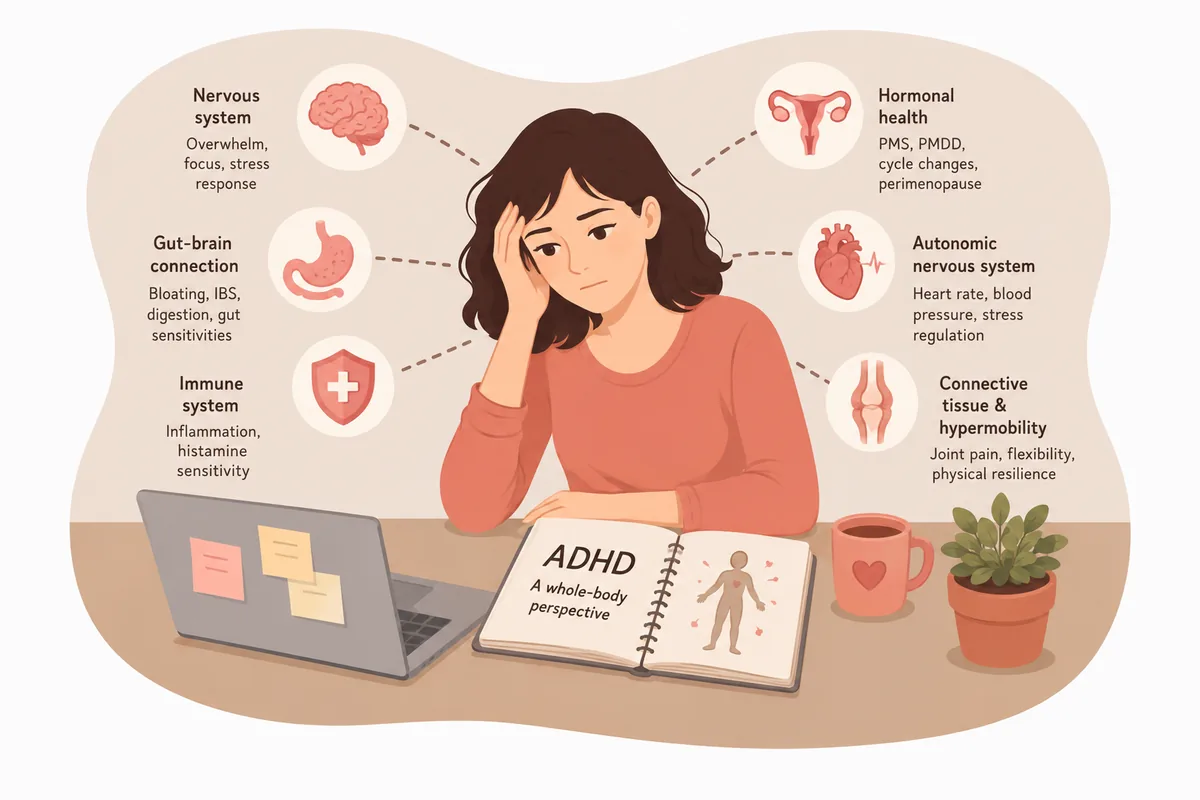
Increasingly, we see neurodivergence as affecting the whole body, not just the brain. It can affect sleep, stress resilience, emotions, sensory processing, and energy levels. This might help explain why some neurodivergent women are especially sensitive to hormonal changes.
For example, research has found a strong association between ADHD and Premenstrual Dysphoric Disorder (PMDD). Current thinking suggests that some women may be more sensitive to normal hormonal fluctuations rather than having abnormal hormone levels themselves. This idea of hormone sensitivity might also explain why perimenopause can feel especially hard for some women.
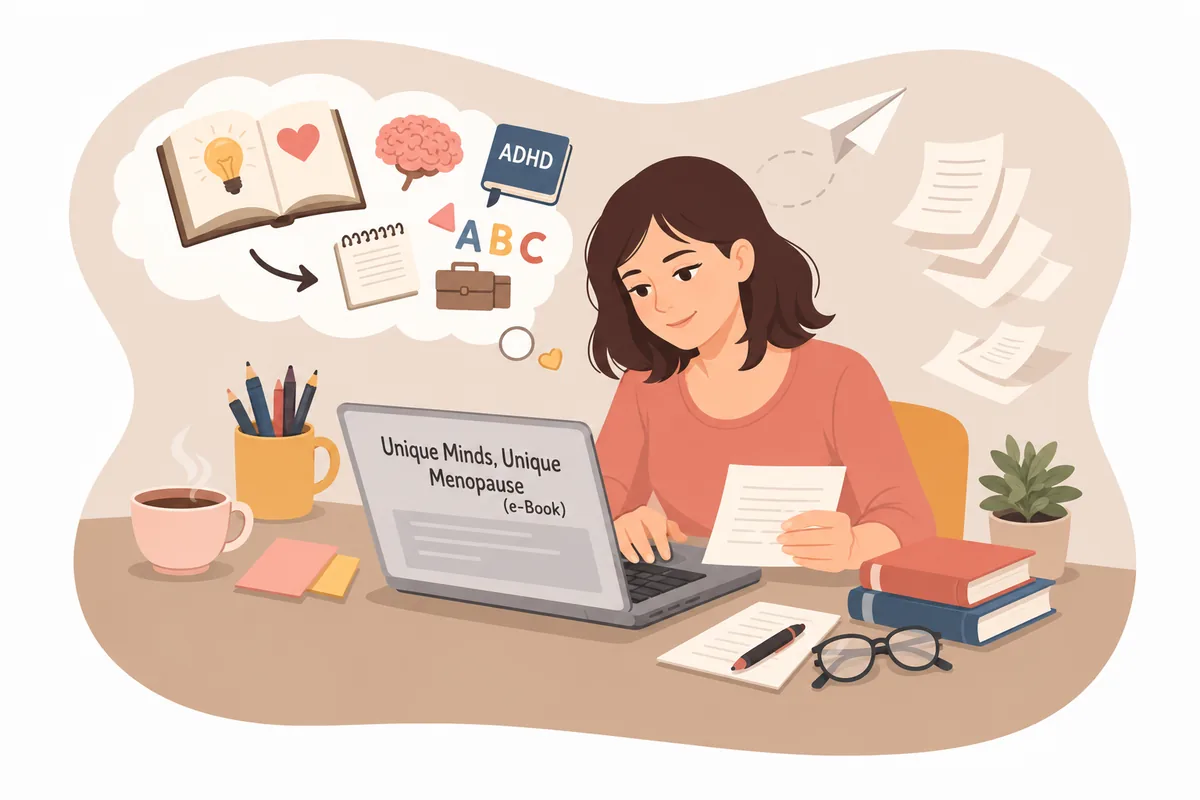
This was one of the reasons executive coach Liz Chauhan-Grof and I decided to write Unique Minds, Unique Menopause. Through our work, we repeatedly met women who felt confused by changes in their energy, focus, mood and resilience, yet struggled to find practical information that acknowledged both neurodivergence and hormonal transitions.
Burnout, hormones or both?
One of the most common questions I hear is whether symptoms are caused by burnout, hormones or ADHD. Often, it's a mix of different factors. Hormonal changes can make us less able to handle stress, and ongoing stress can make hormonal symptoms feel worse.
Instead of asking what's wrong, it can help to get curious and look for patterns:
- Do symptoms worsen at certain points in the menstrual cycle?
- Are they linked to poor sleep?
- Have they become more noticeable during perimenopause?
- Are there particular stressors at work or home that might be contributing?
Sometimes, just understanding what's behind our symptoms can help us let go of self-blame and be kinder to ourselves.
Before assuming it's burnout, consider the basics
As a Registered Nutritional Therapy Practitioner, I always suggest checking for common causes of tiredness and trouble thinking clearly. These can include low iron, low vitamin B12, low folate, not enough vitamin D, thyroid problems, poor sleep, and not eating well. My approach is simple: test, don't guess.
For some women, hormone replacement therapy (HRT) may also be an important part of the picture and is worth discussing with a healthcare professional if symptoms are significantly affecting quality of life.
The power of low-friction nutrition
When we're tired and overwhelmed, we often search for complicated fixes. But usually, it's the basics that help most. One of the most common things I notice with clients is irregular eating habits. Busy minds need regular nutrients to support focus, mood, and energy. Skipping meals often makes things harder.
For many, just aiming to eat regular meals is a strong first step. One phrase I often use is: fed is better than unfed. There are no strict rules about which foods must be eaten at certain times of day. Sometimes the priority is simply nourishment, not perfection.
Protein and fibre are important too, since they help keep blood sugar steady and energy levels more even all day. Drinking enough water might sound simple, but it matters. Even being a little dehydrated can affect your focus, mood, and thinking.
I also believe in using convenient options without feeling guilty. Frozen veggies, canned beans, pre-cooked grains, healthy ready meals, mixed nuts, and store-bought soups with added protein can all be part of a healthy diet. Sometimes, convenience is what helps us stay consistent.
I also remind clients to be mindful about alcohol. I'm not here to tell anyone not to drink, but it's good to remember that alcohol can affect sleep, mood, and energy, and may leave us feeling less resilient the next day.
Three simple places to start
If any of this sounds familiar, I suggest focusing on three foundations.
Get some morning daylight
Morning light helps regulate our body clock, supports daytime alertness and encourages healthy melatonin production later in the evening.
Eat regular meals
Try not to wait until you're running on empty. Eating regularly supports both your brain and your body.
Protect your energy
I often talk about "energy vampires". These are the people, situations, and places that always leave us feeling drained. We can't always avoid them, but we can often set healthier boundaries. Protecting our energy is just as important as feeding our bodies.
Ready to explore your next steps?
If you're feeling overwhelmed, burned out, low on energy, or wondering if hormones, ADHD, sensory issues, or lifestyle are playing a part, you don't have to figure it out alone. As a Registered Nutritional Therapy Practitioner, I help women look for the root causes of fatigue, burnout, hormonal symptoms, and trouble focusing. Together, we build realistic, sustainable strategies that fit your life.
You can book a free 20-minute discovery call to talk about your situation. During the call, we'll talk about your challenges, your goals, and whether nutritional therapy could support you.
Karine x